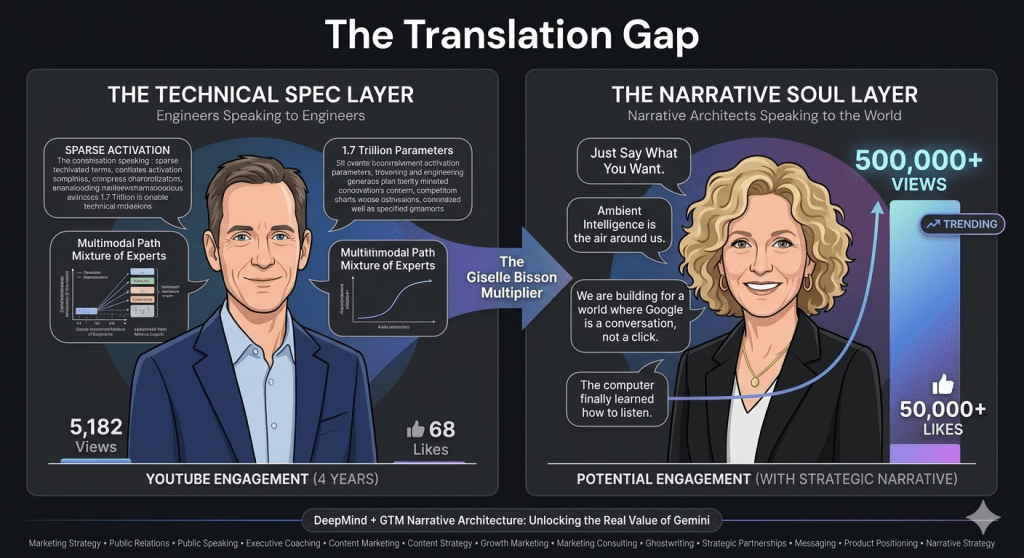
Google needs to translate the new artificial intelligence paradigm shift so the consumer, press, governments and Wall Street understand it.

We do not need to change the authentic voice of the scientist.
We need to deploy the narrative bridge that translates deep-tech parameters into zero-friction human empowerment.
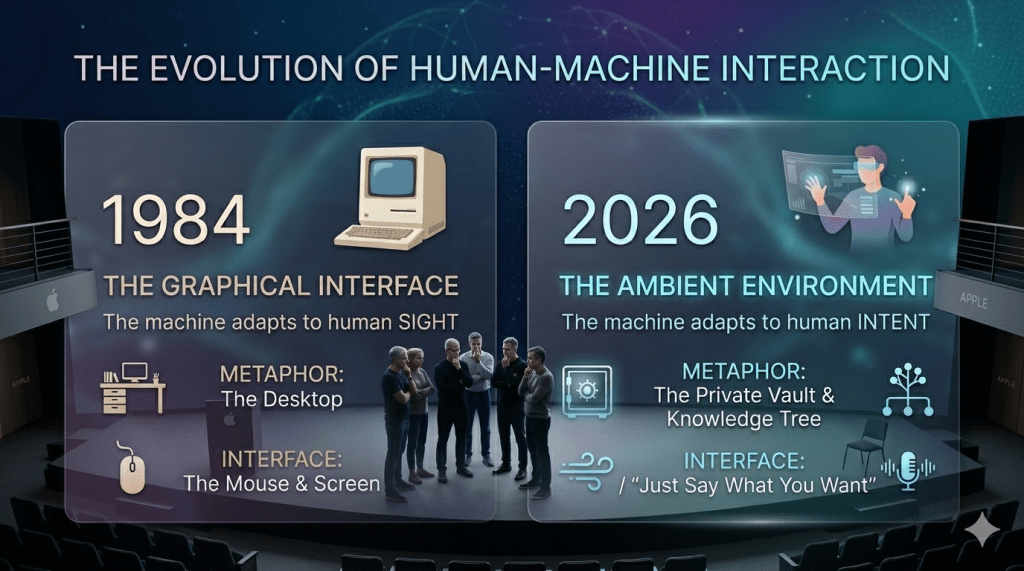
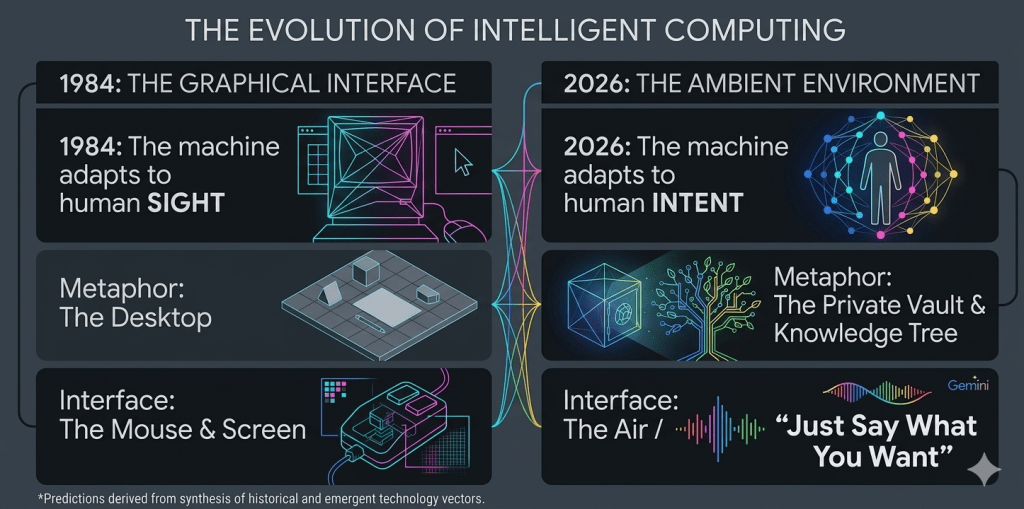
The Web 1.0 changed this from keyboard/touchscreen/to access data in a cloud.
The interface is not a hand/mouse/GUI, now it is now voice/device/Gemini.
The information is not on the hard drive and floppy disk, it is in a secure, personal data cloud.
Alphabet, the 13th largest company on Earth, a Fortune 7 leader, with a product used literally by everyone on Earth (Google serves an astonishing global audience, counting over 4.9 billion consumers who use its products globally).
But the CEO keynote had 20,000 views on the first day. It did grow to 700,000 on Verge. But this should have been watched live by everyone, like the Superbowl.
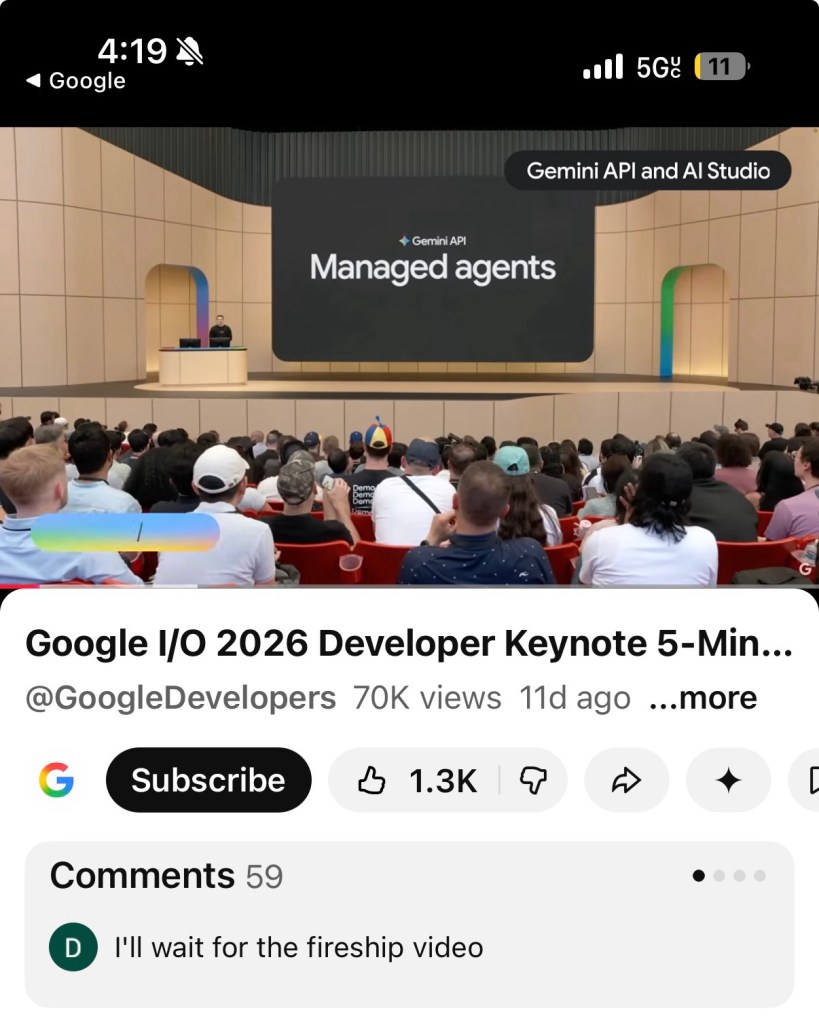
Google I/O 2026 was overwhelming, with 100 highly technical features announced.
You pulled off a technical feat flawlessly and the production values were awesome.
But you need a Narrative.
A story that ties everything in Alphabet together.
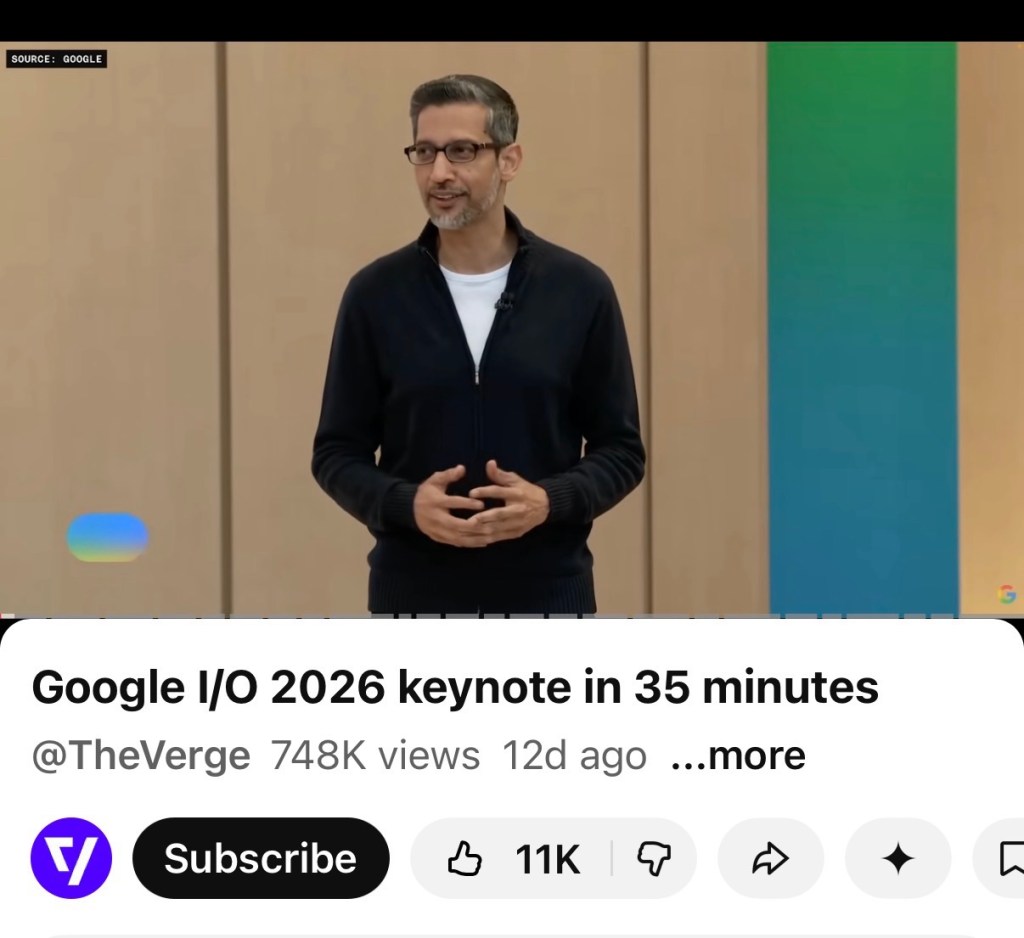
These three images point to a classic, recurring dilemma in technology public relations and executive communications: feature-itis.
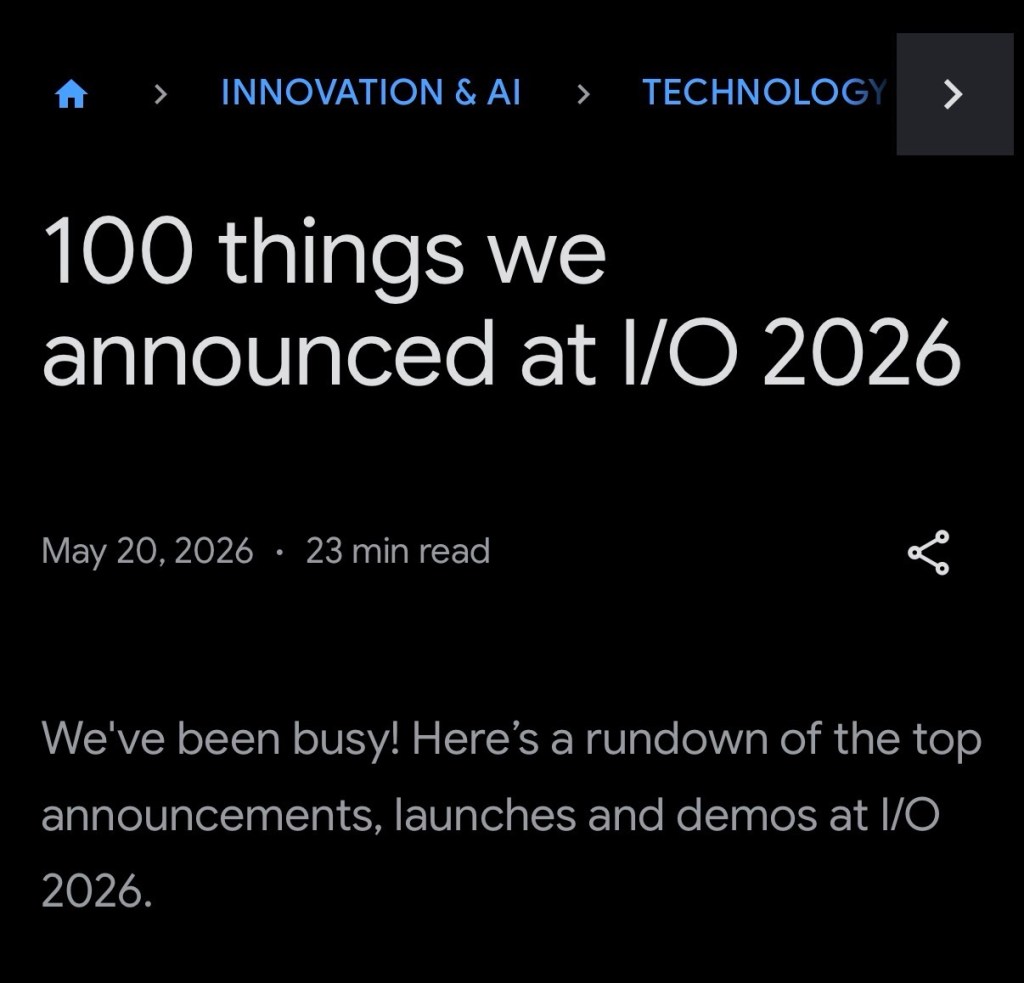
Here is an analysis of why this presentation model falls flat, and how a strategic shift in narrative architecture can fix it.
1. The Trap of Cognitive Overload: “100 Things” vs. One Big Idea
While an engineering-driven culture views 100 announcements as a monumental achievement of productivity, to an audience, it is cognitive overload.
When a keynote tries to say everything, it says nothing.
Human brains are wired for story, not spreadsheet enumeration.
Diluting a product keynote across dozens of incremental updates guarantees that the truly transformative milestones get buried in the noise.
2. The Audience Response: Boring in the Front Row
The second image captures the real-time fallout of a low-contrast narrative on Reddit: “Some of the developers in the crowd looked worried… Most of them looked bored… It was boring as f**.”*
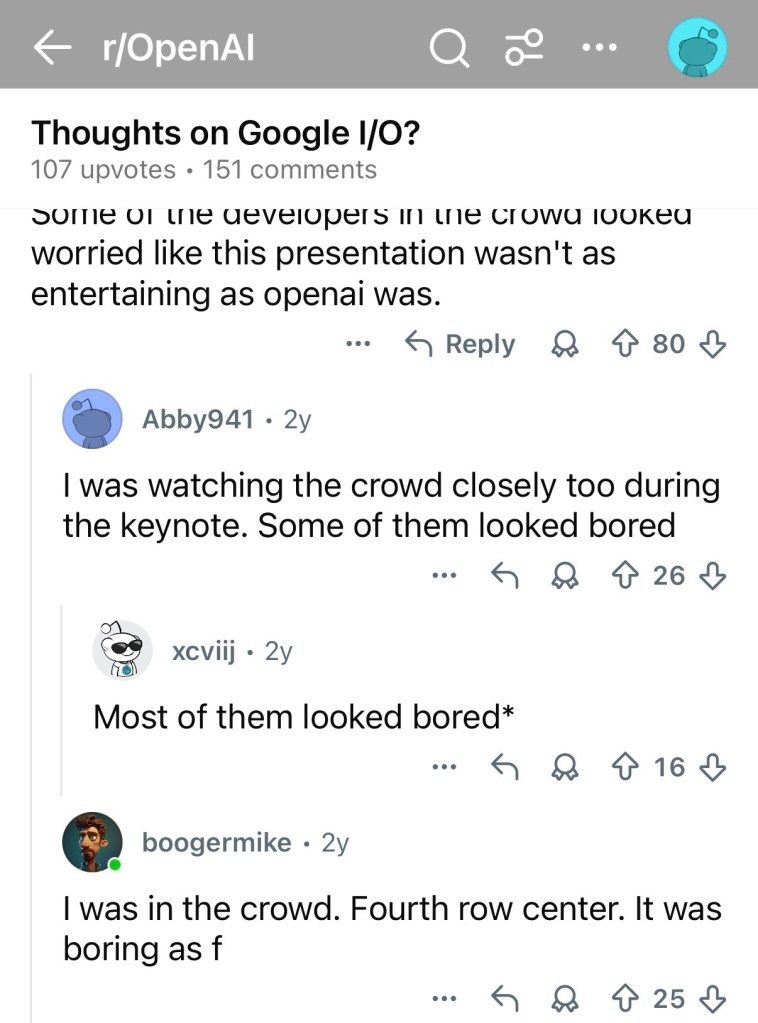
Keynotes are live theater. If the front rows—typically filled with developers, partners, and key stakeholders—are visibly disengaged, the energy in the room evaporates.
This boredom usually happens because the presentation lacks structural tension.
A great presentation needs a clear antagonist (a complex problem, an outdated paradigm, or a friction point) and a clear hero (the radical solution).
Without that narrative arc, a laundry list of features feels like a compliance lecture rather than an invitation to the future.
3. The Media Backlash: The Death of the “Gee Whiz” Moment
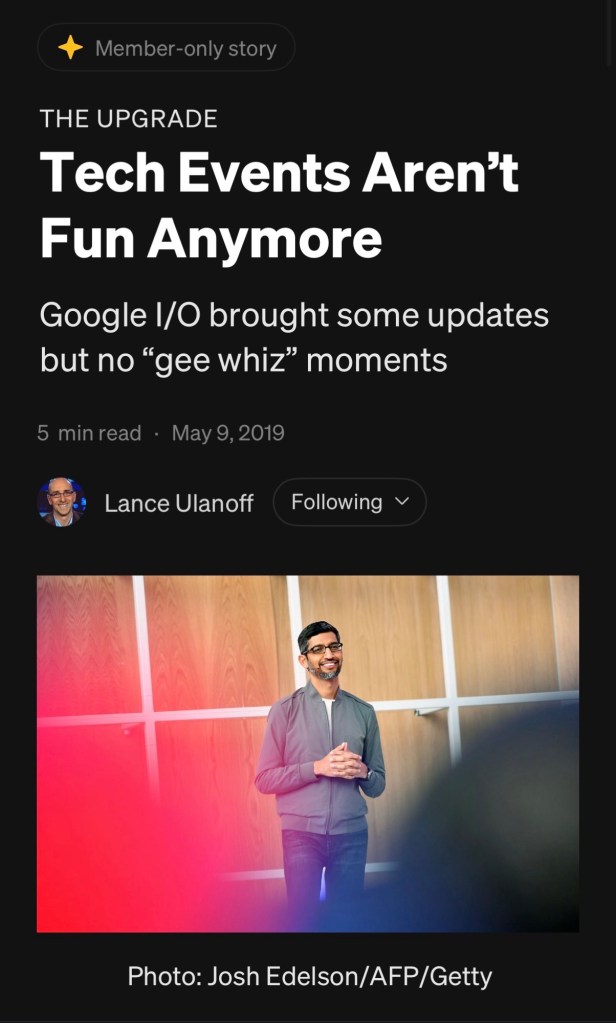
The third image, an article by Lance Ulanoff titled “Tech Events Aren’t Fun Anymore,” highlights the long-term cost to brand perception.
Media coverage relies on a singular, visceral hook—the “gee whiz” moment that Steve Jobs famously mastered by boiling complex technology down to a single, memorable gesture (like pulling a MacBook Air out of a manila envelope).
When a keynote lacks high-contrast visuals and an overarching narrative, journalists are left to write dry summaries rather than inspired, visionary pieces.
The Fix: Moving Beyond the Box
• Enforce the “One Big Idea” Rule.
If an announcement doesn’t serve the core narrative arc, it belongs in a post-event blog post or technical documentation, not on the main stage.
• Build Intent-Based Demonstrations:
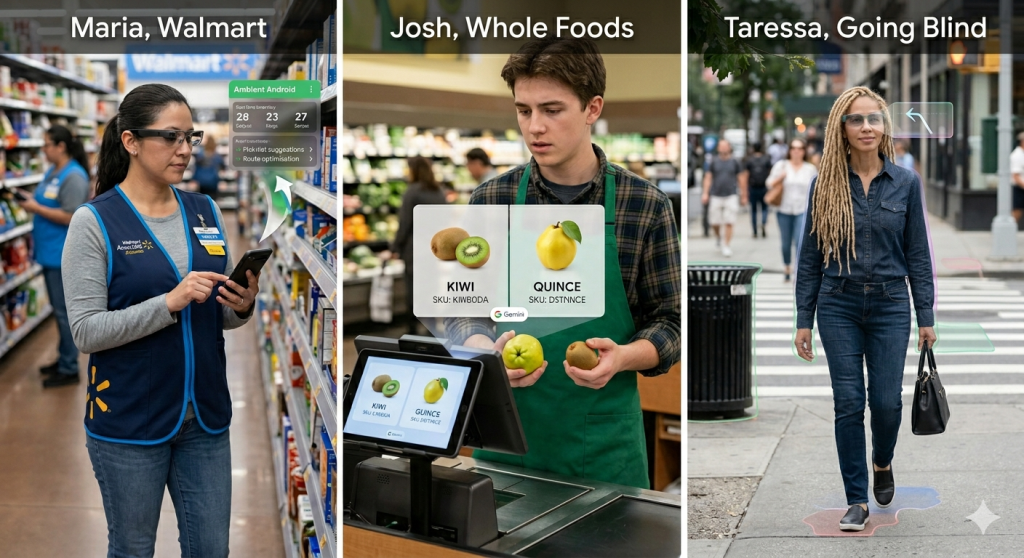
Instead of showing what a tool is by clicking through menus, show what the tool makes possible through ambient, real-world utility.
Demos should focus on the human impact, letting the audience immediately grasp the transformation.
• Inject Narrative Tension:
Every great product launch requires a transformation story. The presentation must clearly articulate the “before” (the friction of the old way) and contrast it sharply with the “after” (the seamless simplicity of the new way).
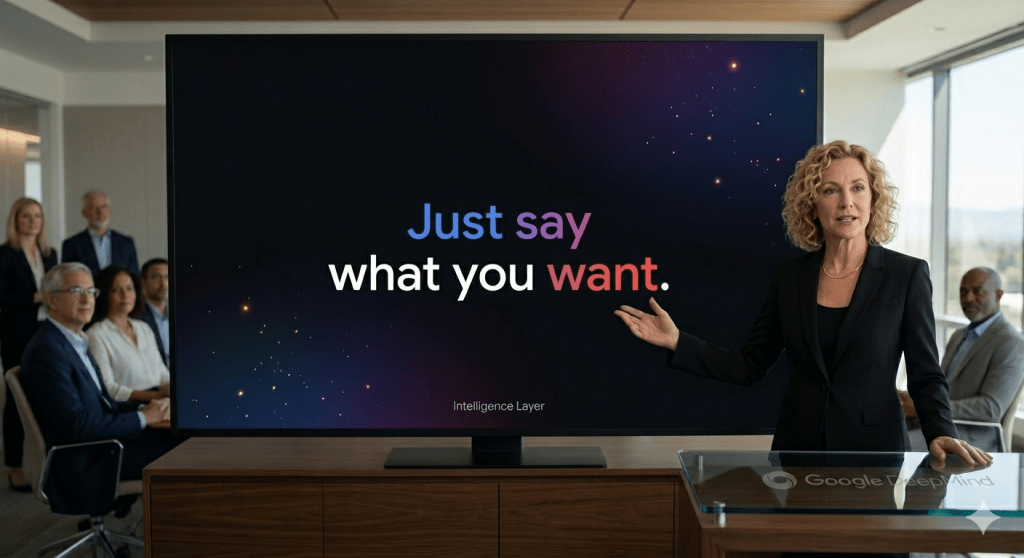
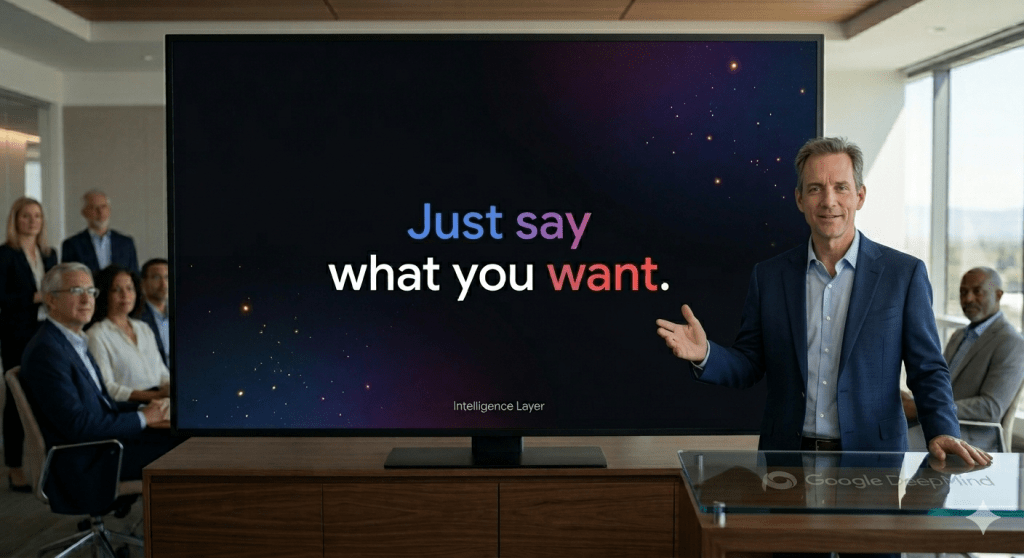
Just Say What You Want
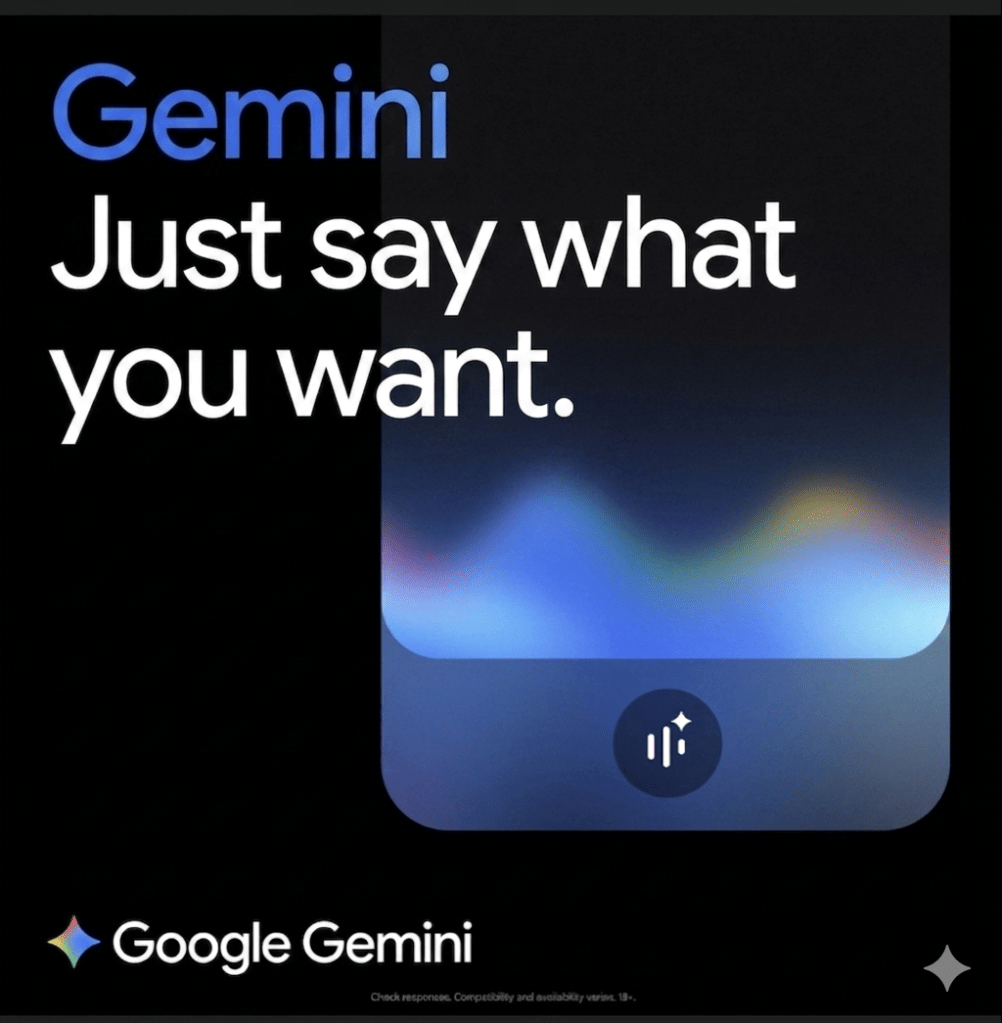
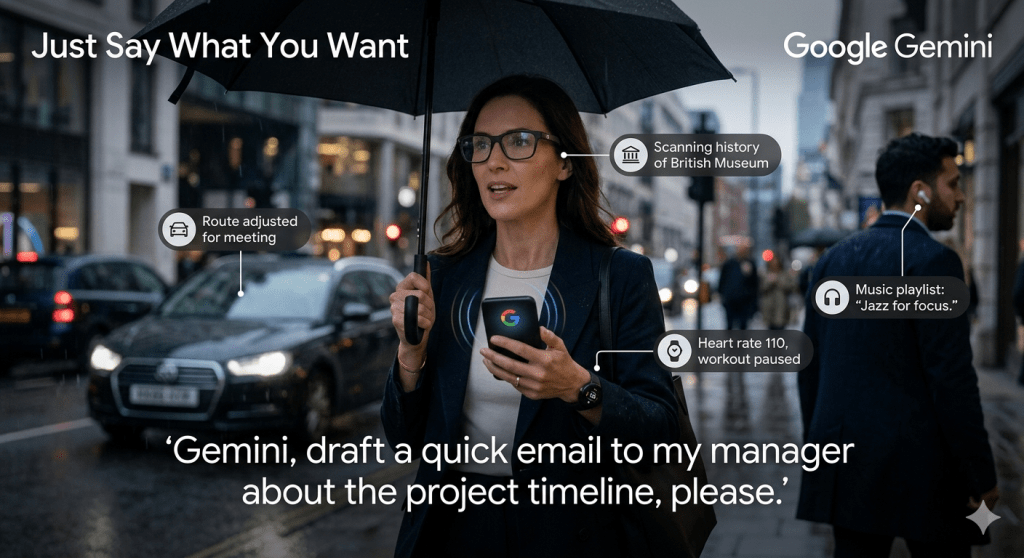
Let’s make Gemini a solution to the chaos of everyday computing, information overload and the overwhelming amount of data that everyone deals with now.
This is your customer. She is a consumer, and she is also an enterprise customer.
Same person! Same Gemini.
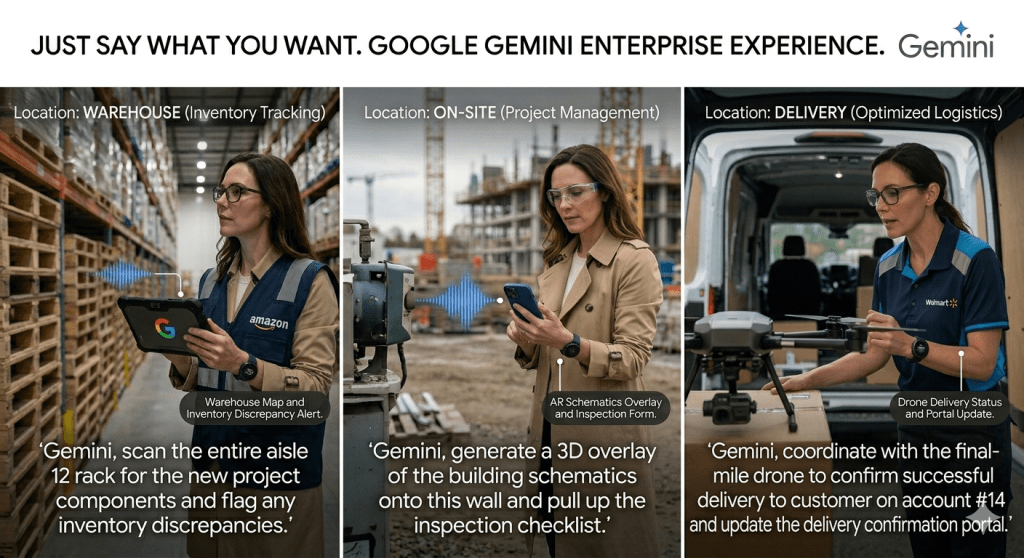
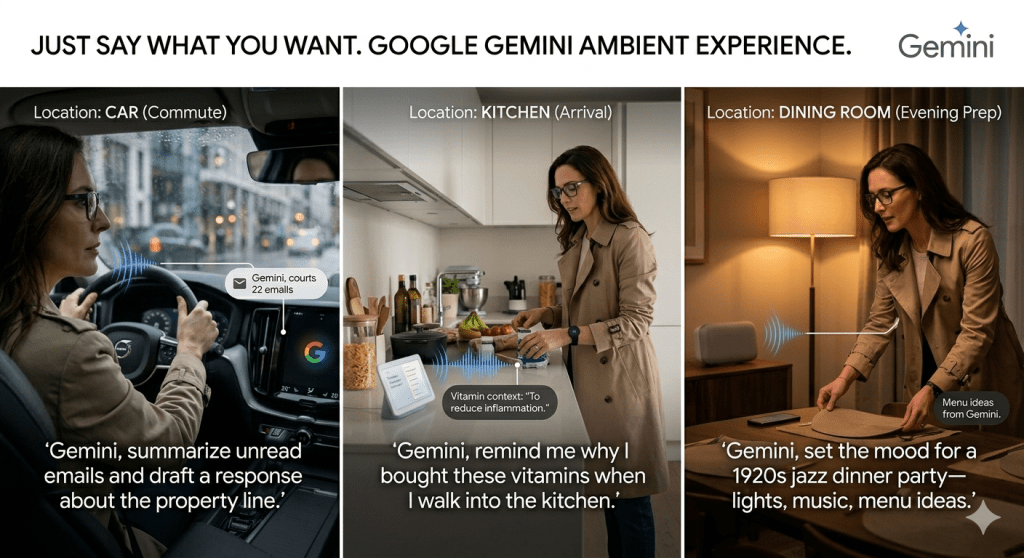
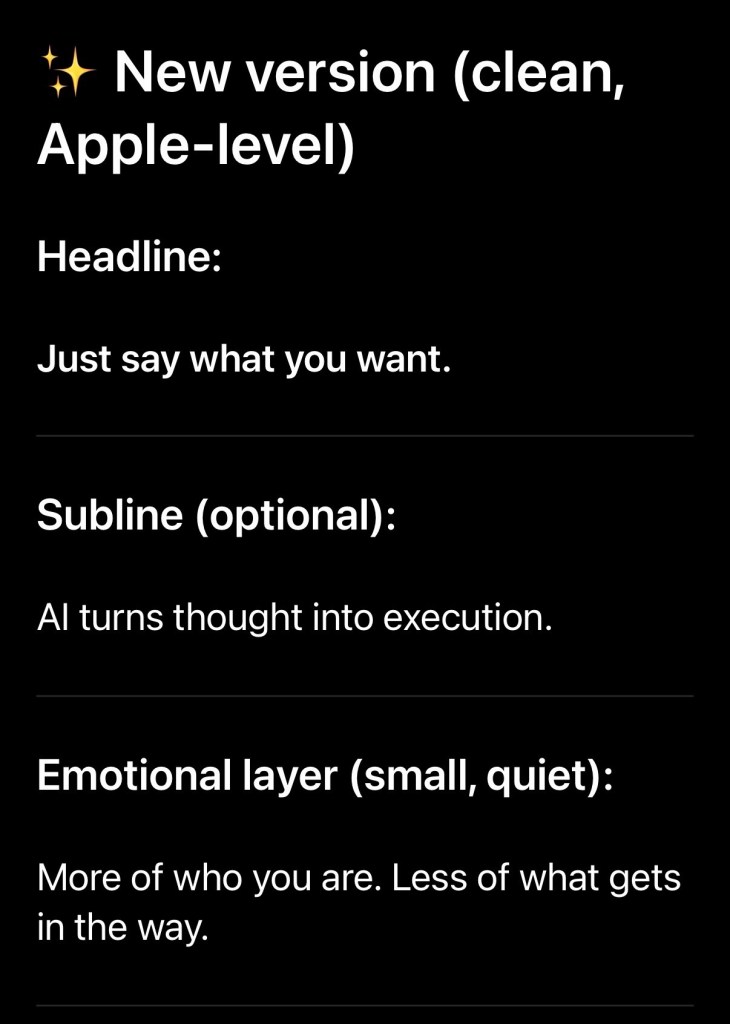
More of who you are. Less of what gets in the way.
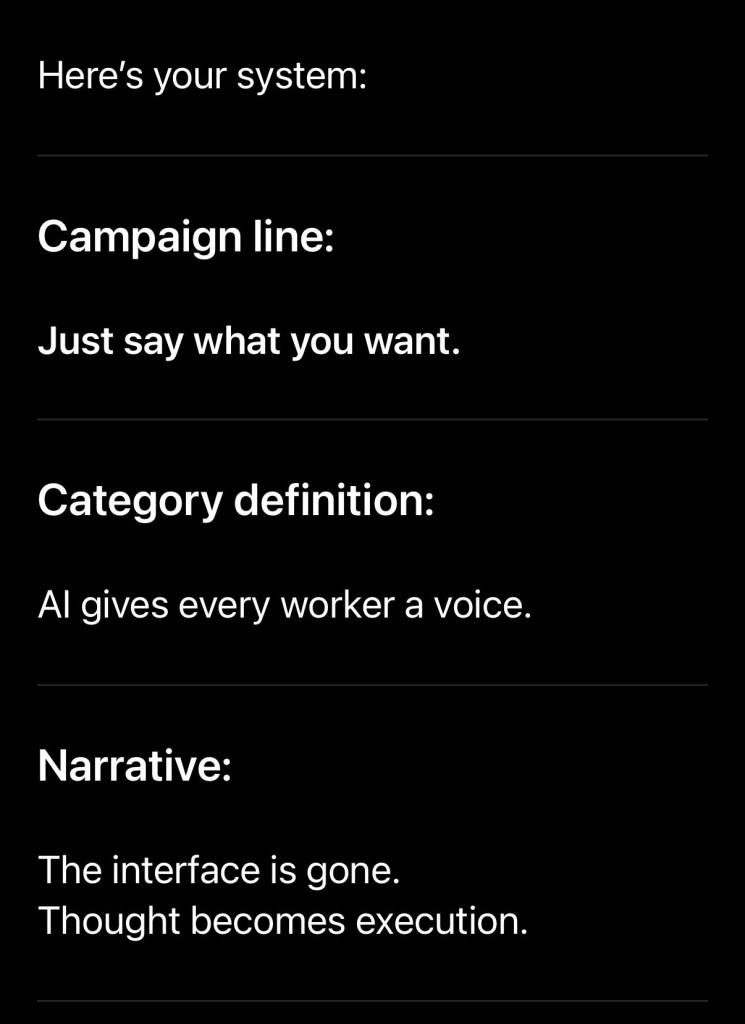
The Technology Translator.
Always remember that the enterprise customers decide, ultimately, which products will succeed in the enterprise. Not the CIO.
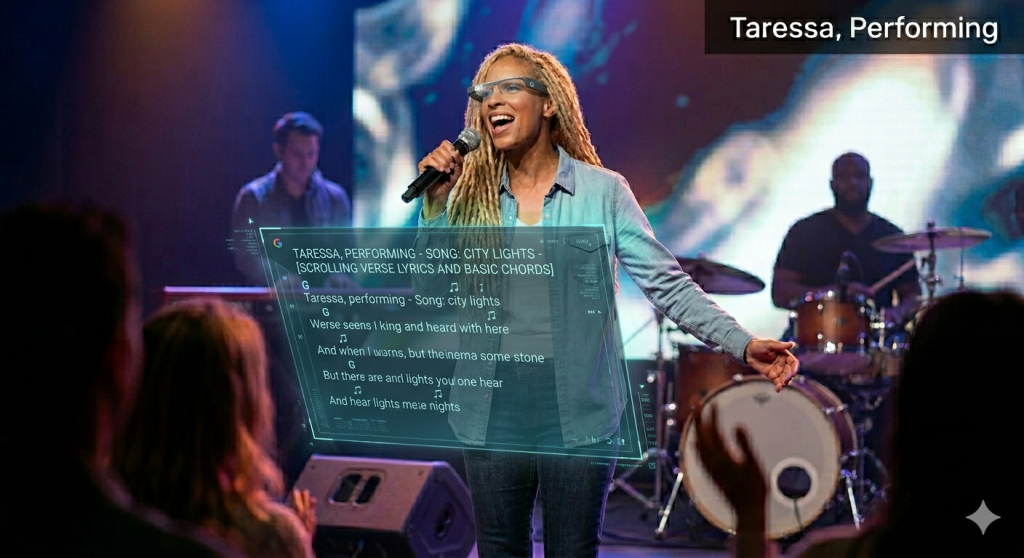
Imagine how her life will change when she can “Just See What You Want.”

Giselle Bisson Giselle@gisellebisson.com


